×


Celebrate Christmas 2025 & New Year 2026
Get Your Offer Now25% Off on 1 Service | 25% +1% Off on 2 Services | Complimentary Al Consultation for 5 Selected Clients
Offer valid till 31st Jan 2026


Intelligent transportation and fleet systems are designed to handle real-world operational complexity while scaling reliably as logistics networks grow. These platforms bring together route planning, dispatch, fleet tracking, compliance management, and analytics into a unified software layer, embedding AI-driven intelligence directly into day-to-day transportation workflows. By modernizing legacy systems or enabling new digital operations, transportation software improves visibility, optimizes fleet utilization, reduces costs, and supports consistent, compliant execution across fleets, regions, and operating models.
















Machine-learning models dynamically optimize routes based on traffic patterns, delivery constraints, vehicle types, and real-time conditions to reduce mileage, delays, and operational costs.

AI-enabled systems continuously analyze fleet performance, vehicle utilization, and driver assignments to improve productivity, reduce idle time, and support scalable operations.

Predictive algorithms automate dispatch decisions and load allocation by forecasting demand, capacity, and service windows, ensuring efficient fleet deployment across routes and regions.

AI-driven analytics platforms transform live and historical transportation data into actionable insights, supporting KPI tracking, anomaly detection, and proactive operational decisions.

Intelligent compliance systems monitor regulations, driving patterns, and operational constraints to proactively flag risks, enforce policies, and maintain audit-ready transportation operations.

API-first platforms use intelligent data orchestration to integrate routing, telematics, ERP, WMS, and billing systems, ensuring accurate, real-time data flow across the logistics stack.
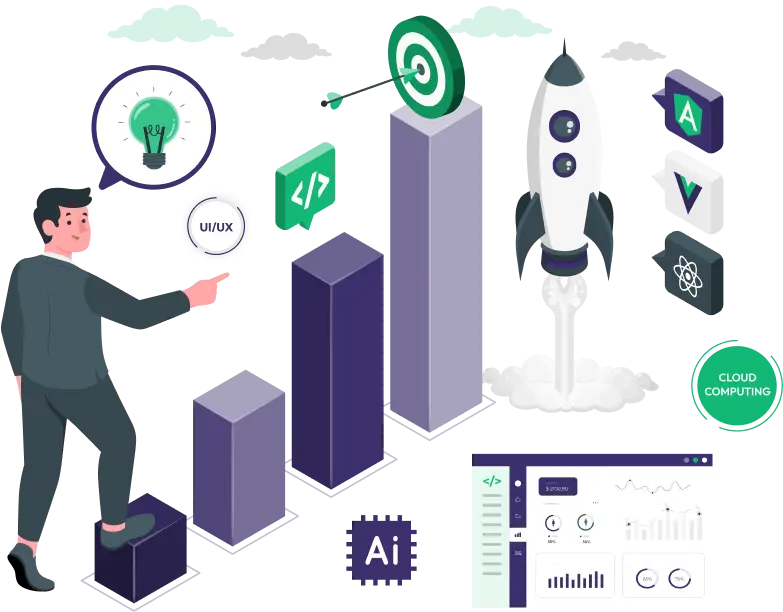

Transportation and fleet software must operate within real-world constraints, vehicle types, route restrictions, driver rules, SLAs, and fluctuating demand. AI-driven systems embed intelligence directly into planning, dispatch, execution, and optimization layers, enabling fleets to continuously learn from operational data and improve routing accuracy, utilization, and service reliability over time.

Effective fleet platforms are built by understanding historical performance, operational bottlenecks, and growth patterns. AI-powered analytics and predictive models transform raw transportation data into insights that anticipate disruptions, optimize capacity, and support resilient, long-term fleet operations rather than short-term fixes.

Modern transportation software must scale across fleets, regions, and use cases. Modular, API-driven platforms allow AI capabilities to be introduced incrementally, starting with targeted optimization or visibility use cases and expanding into full-scale fleet orchestration without compromising performance, cost efficiency, or system stability.

Transportation and fleet systems operate in mission-critical environments. Rigorous testing of AI models, data pipelines, and software workflows ensures reliability, security, and consistent performance under real-world operational loads, peak volumes, and regulatory conditions.

Structured system design, milestone-driven implementation, and intelligent monitoring enable predictable deployment timelines. AI-assisted validation and continuous testing help ensure software releases align with defined SLAs while minimizing operational disruption.

High-performing fleet software balances speed with robustness. By combining disciplined execution, automation, and AI-driven optimization, transportation platforms remain reliable, adaptable, and ready to support growth without sacrificing accuracy, compliance, or system integrity.
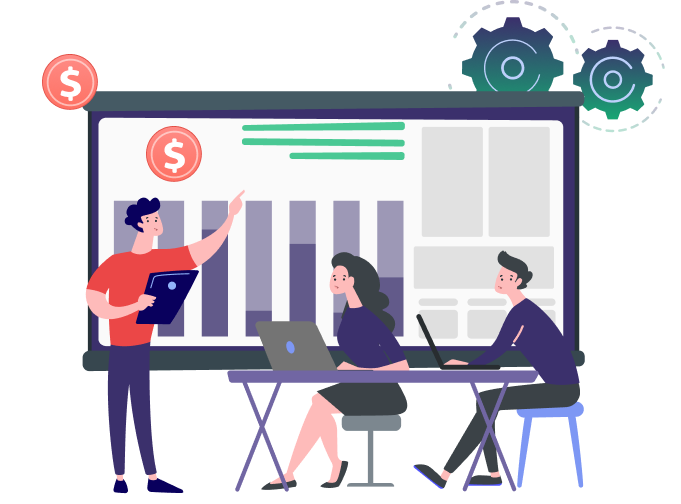
This step includes getting detailed information around requirements from the client.
We take and oblige all the requirements and ask questions in case of any query or doubt.
The discussed points are then concluded and documented in a format.

A thorough proposal is created and is showcased to client and other involved team members for this project.
The drafted proposal is shared with the client for his approval. In case of any feedback, the proposal is further revised and shared.
As soon as the client agrees, the contract is signed by both the parties.

This phase is also known as role defining phase in which the detailed role of all the involved members are shared with the involved stakeholders.
The complete plan is created and shared with the respective stakeholders to ensure we get a go ahead from all the decision makers.
We do a proactive risk assessment and share the list with the customer as well as with the team. We also devise strategies to mitigate these risks before they become a challenge during the project.
The process supports a wide range of transportation software, including route optimization, fleet management systems, dispatch platforms, real-time tracking, compliance solutions, analytics dashboards, and end-to-end transportation management systems.








25% Off on 1 Service | 25% +1% Off on 2 Services | Complimentary Al Consultation for 5 Selected Clients
Offer valid till 31st Jan 2026