Why Do Qualified Prospects Disappear? Fixing Gaps in Your Lead Generation Marketing Strategy

Oct 30, 2026
7 min

Your marketing team is out there creating leads. Website forms are filling out, paid advertising is getting clicks, and prospects are downloading stuff. But when the sales team follows up, many talks go nowhere. Some prospects go dark. Others fall off following a product demo or a pricing conversation.
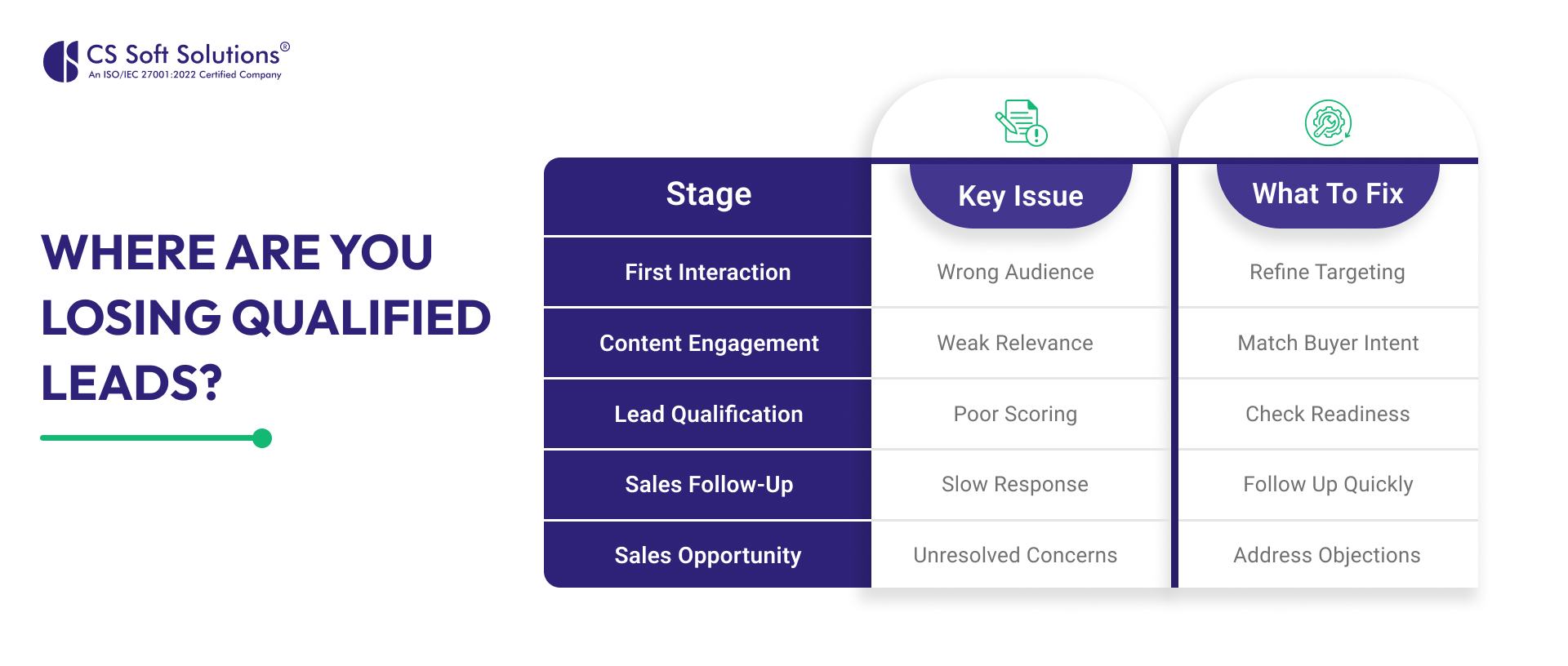
This trend normally signals problems in the lead generation marketing strategy, not just a lack of leads, for B2B SaaS enterprises. They could care about a problem your product solves. But it doesn’t indicate they’re ready to purchase. Poor targeting, irrelevant follow-ups, unclear value propositions and slow sales answers all interrupt the trip.
The answer is to find out where your prospects lose interest and remove the roadblocks keeping them from progressing ahead.
1. Digital Marketing Lead Generation Strategy: Are You Attracting the Right People?
A high lead count can appear good in a marketing report. However, the quantity is less important if most of those connections don’t have the resources, authority, or business to buy your product.
This is a prevalent problem in SaaS marketing, as broad campaigns might draw in people who want to learn about a topic but aren’t looking to evaluate a product.
Revisit Your Ideal Customer Profile
Start by examining the characteristics of customers who have bought and benefitted from your product. Look at their firm size, industry, tech stack, business challenges, and purchase procedure.
Match Campaigns to Buying Intent
Someone reading an introductory blog is at a different level in the purchase journey than someone comparing software suppliers.
Educational material is a hurdle for potential. They score solutions on case studies, product comparisons, and demonstrations.
2. Customer Segmentation Market Research Services: Understand Why Prospects Lose Interest
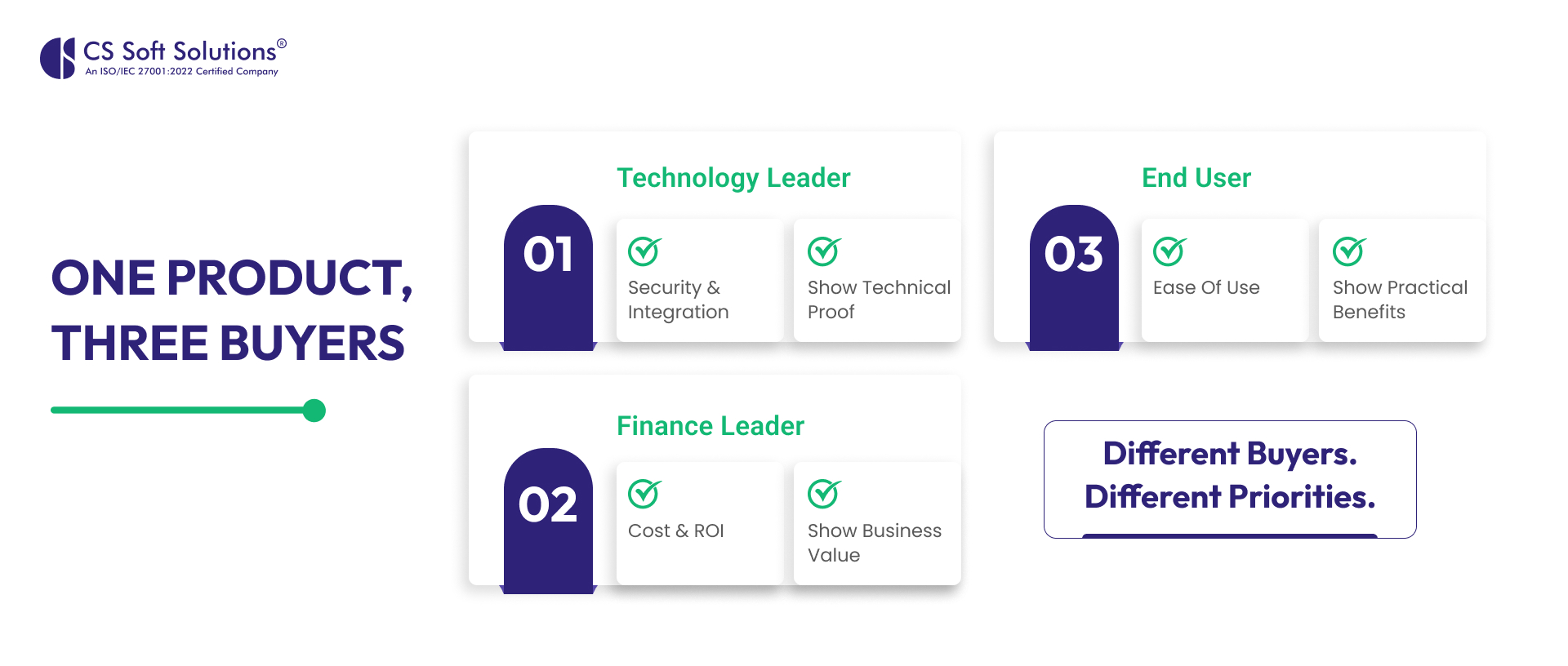
But if your marketing message doesn’t speak to their specific issues, even the most well-targeted prospects can opt out. There may be various reasons that lead different industries, company sizes and decision-makers to select a SaaS product.
Identify the Concerns Behind Buying Decisions
A technology leader may care about security, integration, and the reliability of systems. A finance exec might look at the running costs and the measured returns. For an end user, simplicity of use and time to learn the software may be the most important factors.
Look Beyond Basic Demographics
Company size and industry are good beginning points, but they don’t tell the whole story of buying preparedness.
Two similar companies could have different priorities. Someone may be occupied with updating an old system. While another is investigating choices for the coming year.
3. AI Strategy Consulting: Use Better Signals to Improve Lead Qualification
As SaaS marketing becomes more and more data-driven, teams need a way to make sense of growing volumes of client data. That may be without losing focus of the purchasing experience.
Here, AI strategy consulting may help marketers find patterns, organize consumer feedback, and prioritize leads. Its value comes from the quality of data available. Also how teams apply the insights.
Improve Lead Scoring With Meaningful Criteria
A lead scoring model assigns values to traits and actions. That assist tells you if a prospect is worth chasing.
AI-powered analysis can assist uncover which combinations of signals are likely to occur in successful situations. Marketing and sales teams need to validate these patterns against actual results.
Personalise Follow-Ups Without Losing Relevance
Automation can help teams offer timely communications based on a prospect’s interest or stage in the buying process.
If a prospect downloads an integration guide, they might be interested in technical resources. A person attending a product demo can want implementation details. Even a clear grasp of pricing, or answers to specific concerns.
4. Fix the Handoff Between Marketing and Sales
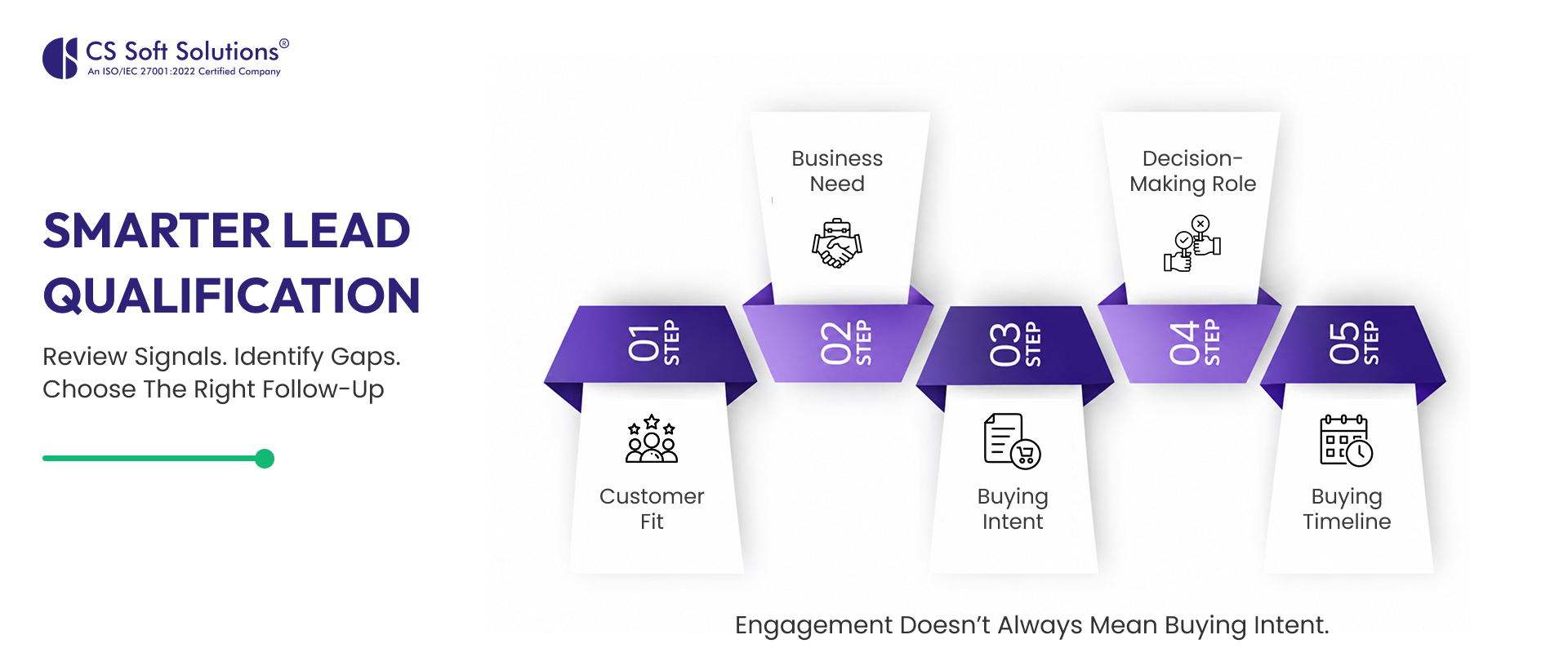
A prospect may be qualified to market but not qualified to talk to sales. The trouble is when the two teams have conflicting definitions of a qualified lead.
Marketing may be about interaction, but sales requires a validated business need, access to decision-makers and a fair purchase timeline.
Agree on Qualification Standards
What constitutes a lead marketing qualified and what more evidence is needed for it to be sales qualified?
Document the criteria, communicate with both teams, and evaluate often. Sales must report back on the quality of the leads and marketing must dig into how those leads actually got into the funnel.
It establishes a common process for finding interesting possibilities and fixing targeting problems.
Reduce Delays in Follow-Up
Timing can be relevant to whether an interested prospect continues the conversation. A slow answer can make the buyer go on, especially if you are considering multiple rival products.
Establish clear expectations for demo requests and other high intent inquiries. Help sales reps respond fast using CRM notifications and automatic routing.
5. Strengthen Your B2B Lead Generation Marketing Beyond Lead Volume
The most effective B2B lead generation marketing strategy is one that ties campaign activity to the revenue results a company wishes to achieve.
A SaaS company could have hundreds of leads. But they still struggle to create a robust pipeline.
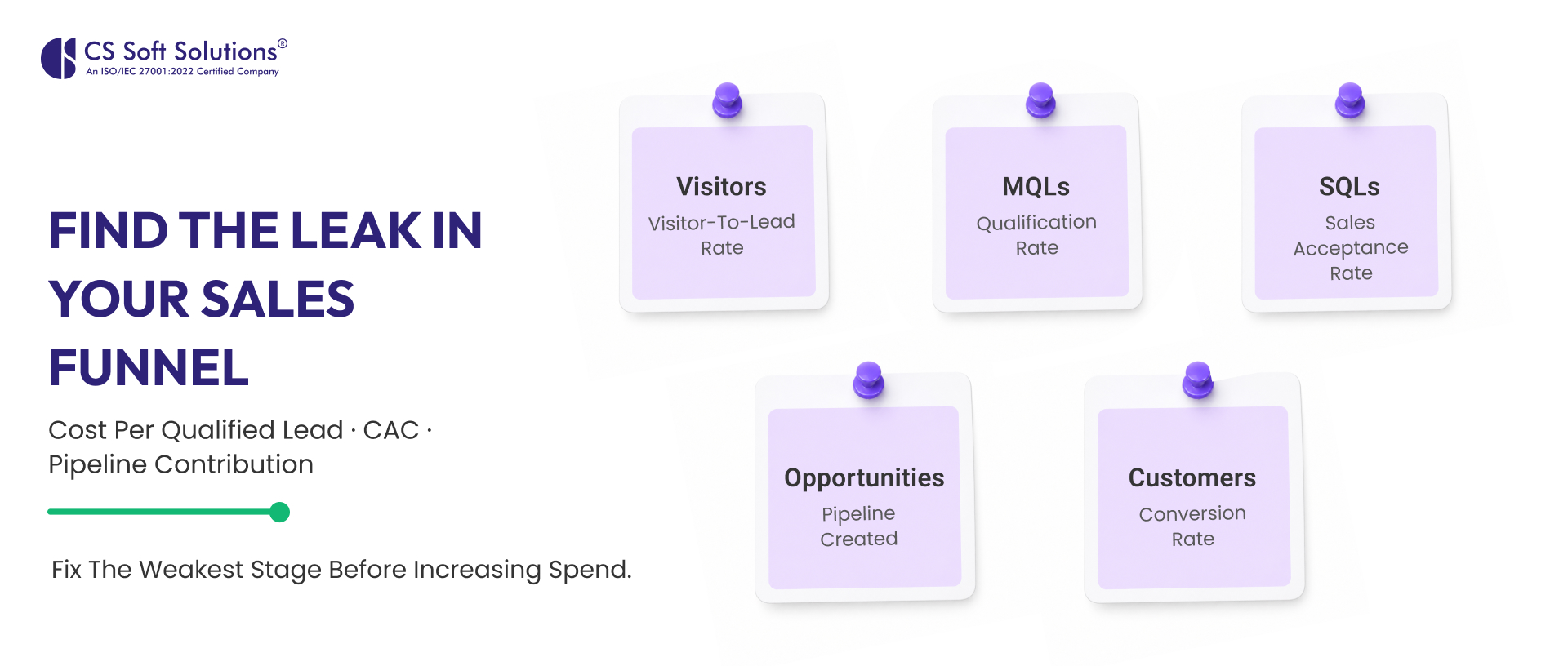
Measure Conversions at Every Stage
Review the path from website visit to lead, qualifying opportunity and closed customer. Compare performance by channel, audience segmentation and campaigns.
If you’re getting lots of leads from paid advertising, but not a lot of qualifying meetings, reevaluate the offer on your landing page and your targeting. If prospects are showing up for demos, but rarely requesting proposals. Also look at product fit, pricing concerns and clarity of the value offer.
Build a Consistent Nurturing Process
Not every qualified prospect is ready to buy right away. Others need internal approvals, more research, or time to establish a budget.
Create follow-up sequences that answer typical questions customers have and help purchasers make good selections. Helpful content could include implementation guidelines, customer examples, security information, or product comparisons.
Frequently Asked Questions
Why do qualified leads stop responding?
Qualified leads sometimes go cold because priorities shift, resources become delayed, or the product is not quite right for their needs. And delayed responses or irrelevant follow-ups can kill interest. By listening to sales conversations and feedback from lost deals, teams can discover typical reasons for disengagement.
How can SaaS companies improve lead quality?
Start by honing the ideal customer profile and linking marketing messaging to buyer intent. Build common qualification criteria Analyze conversion rates by channel. Use sales feedback to better target. The emphasis should be on recruiting prospects with a business need that is relevant.
Turn Lost Prospects Into Better Growth Opportunities
When quality prospects depart, it’s not necessarily a question of spending more on advertising or developing more contacts. The problem could be poor targeting, unclear messaging, inconsistent follow up, or a lack of alignment between marketing and sales.
A better lead generation marketing strategy considers the full customer journey and uses evidence to improve every step of it. For SaaS firms this means focusing on meaningful outcomes, learning from wasted opportunities and making every encounter more relevant to potential customers.
CS Soft Solutions India Pvt. Ltd. assists businesses to explore technology and digital solutions that support their operational and growth goals. Visit CS Soft Solutions official website to know more on its services and attitude toward technology-inspired company improvement.
 Enterprise security standards