How AI Agent Development Services Actually Build Your Agent

Sep 23, 2026
6 min
Most SaaS teams have a general notion of what they want an AI agent to perform, such as manage support tickets, qualify leads, summarize data, and initiate workflows. Teams are less aware of what truly transpires between a concept and an operational agent in production. Knowing the actual build process enables you to avoid paying for a demo, set reasonable deadlines, and ask more insightful questions of a vendor. Contact with actual users is never sustained by that.
This is where AI agent development services come in. Building a production-ready agent requires collaboration across strategy, data architecture, engineering, and security rather than a single tool or a one-time model prompt. Here’s a hands-on look at how that procedure really works.
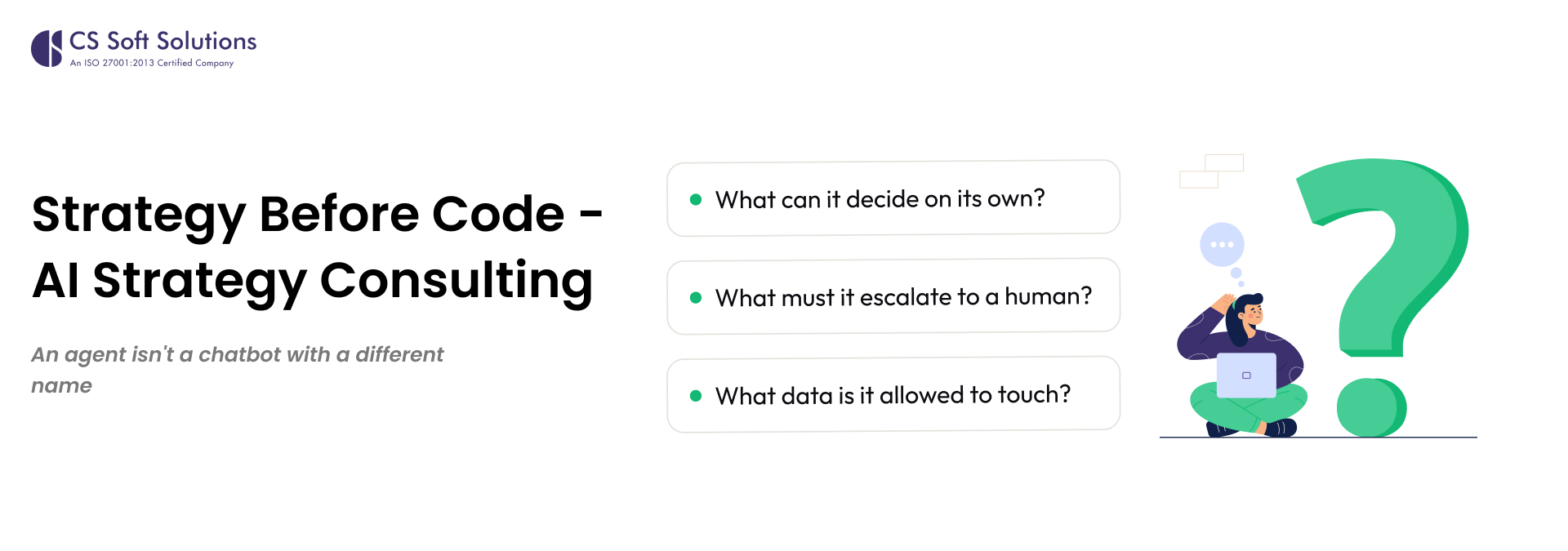
Where AI Agent Development Services Start: Strategy Before Code
A competent provider takes the time to understand what the agent is truly intended to decide, not simply what it is supposed to say, before writing any code.
Defining the Agent’s Job
A chatbot under a new name is not an agent. It requires a clear definition of what choices it may make independently, what it should report to a human, and what information it can access. The most frequent cause of agent projects stalling after launch is skipping this step.
The Role of AI Strategy Consulting
This is where ai strategy consulting matters most. A structured strategy phase maps the agent to a specific business outcome: fewer support escalations, faster lead qualification, and shorter research cycles instead of building a general-purpose assistant that does many things adequately and nothing particularly well. Good strategy consulting also sets realistic expectations about accuracy, latency, and where human review still belongs in the loop.
Choosing the Right Foundation: Gen AI development services vs. Traditional Automation
Not every workflow needs a large language model. Part of responsible Gen AI development services work is recommending simpler automation where it’s a better fit and reserving generative AI for tasks that genuinely require reasoning, language understanding, or unstructured data handling.
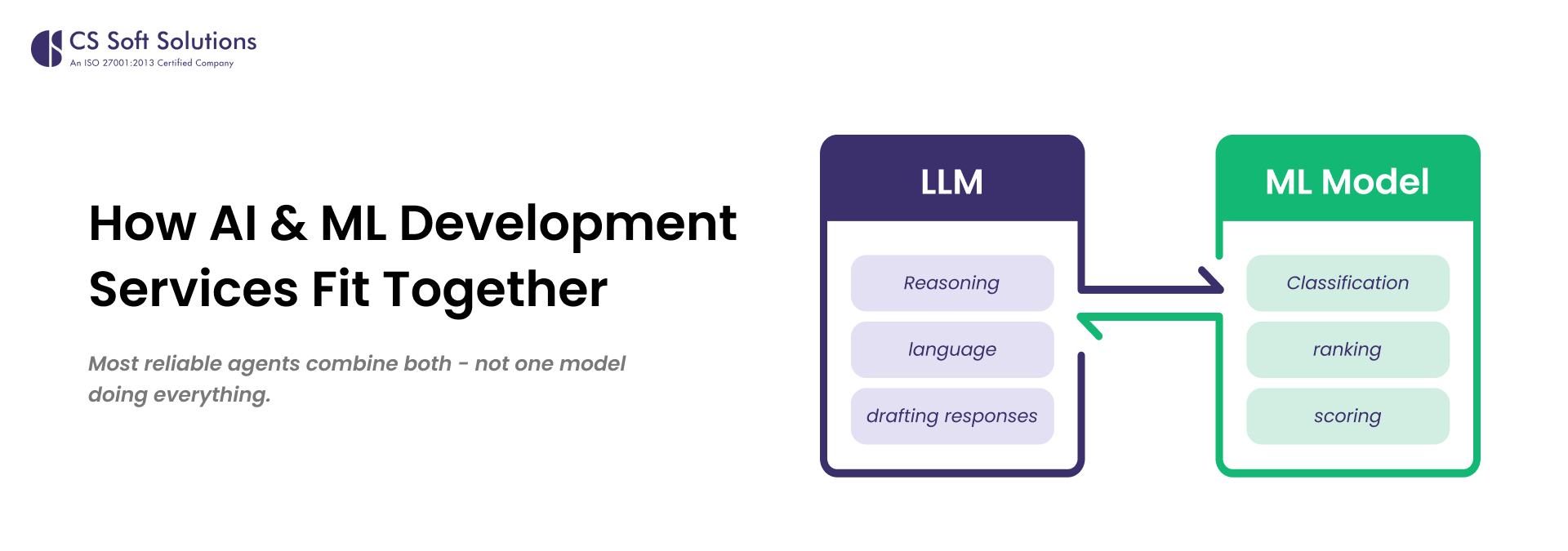
How AI & Machine Learning Development Services Fit Together
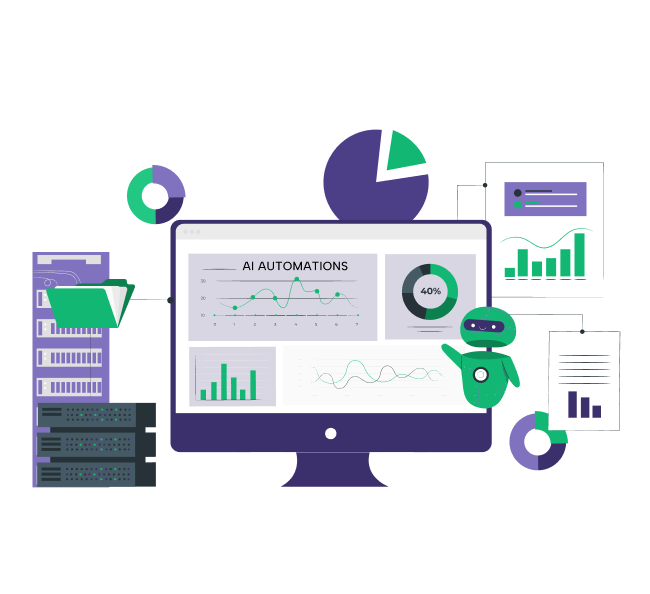
Agents rarely run on a language model alone. AI & machine learning development services typically combine an LLM for reasoning and language with traditional ML models for classification, ranking, or prediction. For example, a support agent might use an LLM to draft a response while a separate ML model scores ticket urgency in the background. Blending these approaches usually produces a more reliable, explainable system than relying on one model to do everything.
Where Agents Show Up in Real SaaS Workflows
Agent use cases in SaaS products tend to cluster around a few recurring patterns.
From AI Content Outline Strategy to Structured Output
Content and research teams increasingly use agents to move from a rough brief to a structured draft. An AI content outline strategy built into an agent can pull source material, organize it into logical sections, and flag gaps, turning a blank-page problem into an editing task.
Where an AI Marketing Strategy Generator Fits In
On the marketing side, an ai marketing strategy generator agent can pull performance data, audience signals, and campaign history to propose channel mixes or messaging angles for a human strategist to refine. The agent doesn’t replace strategic judgment, it removes the manual work of pulling and organizing the inputs that judgment depends on.
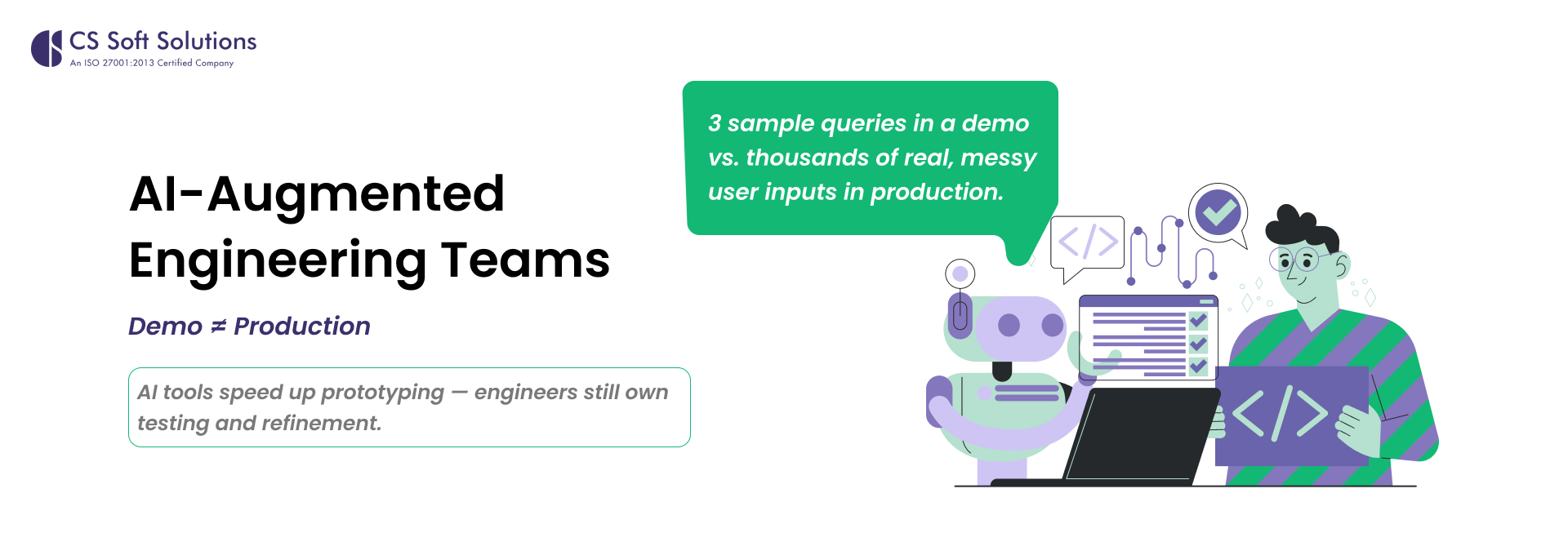
AI-Augmented Engineering Teams: Who Actually Builds This
The team composition behind an agent matters as much as the model choice.
Why Engineering Structure Matters
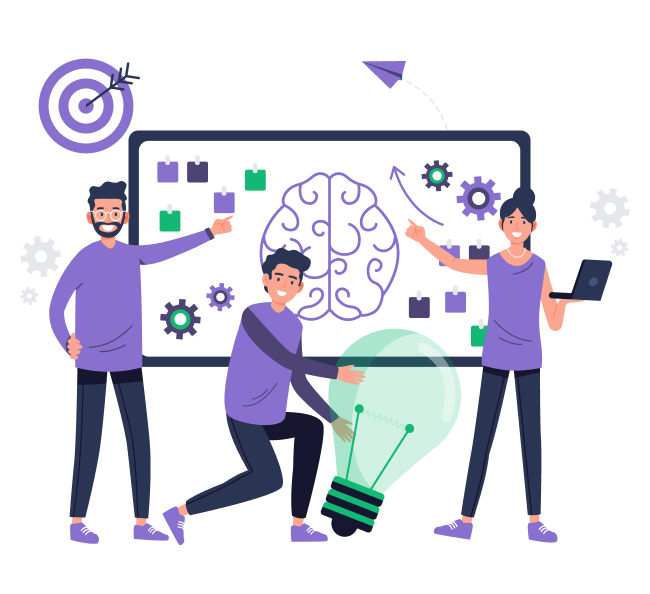
AI-Augmented Engineering Teams: Developers who use AI coding tools alongside traditional engineering practices tend to move faster through the build-test-refine cycle that agent development requires. This isn’t about replacing engineers with AI; it’s about engineers using AI tools to prototype faster, so more time goes toward testing edge cases and refining prompts against real data.
Testing Against Real Scenarios, Not Demos
A demo that works on three sample queries is not the same as an agent that handles thousands of real, messy user inputs. Serious development involves testing against historical support tickets, real customer queries, or production-like data before an agent goes live and building in fallback behavior for when the agent isn’t confident in its answer.
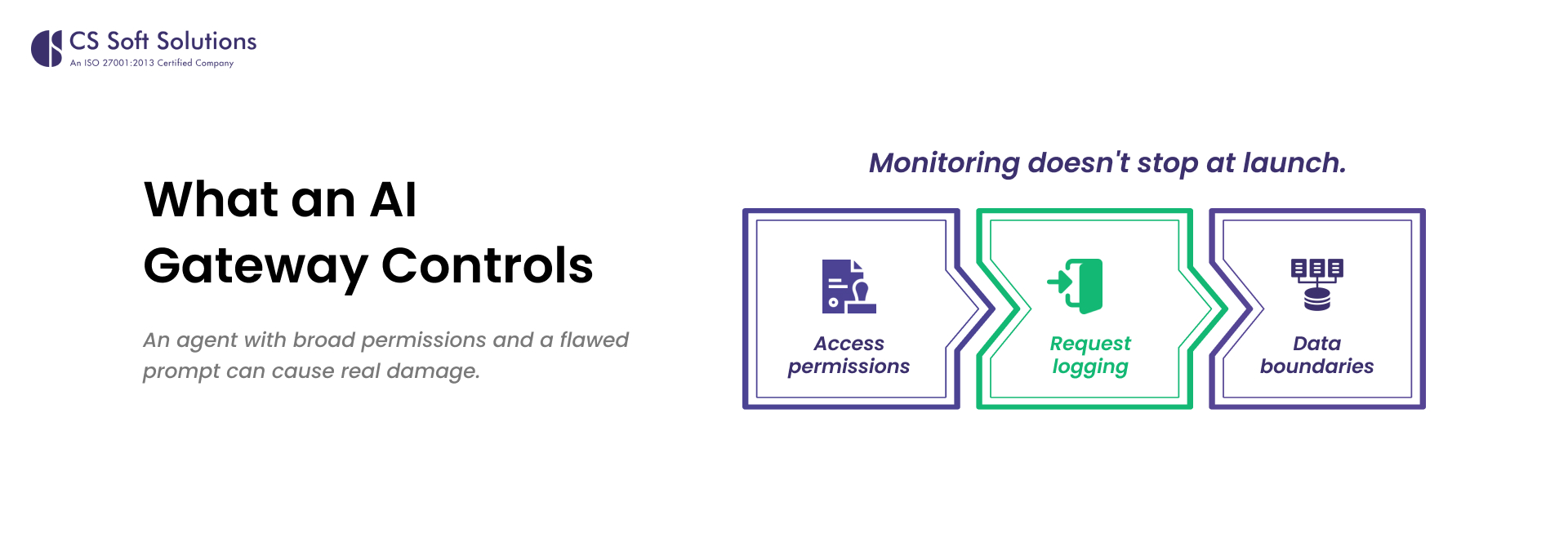
Security by Design: AI Gateways Secure Model Deployment
Agents that can take action, not just generate text, introduce real security considerations that can’t be an afterthought.
Controlling What the Agent Can Touch
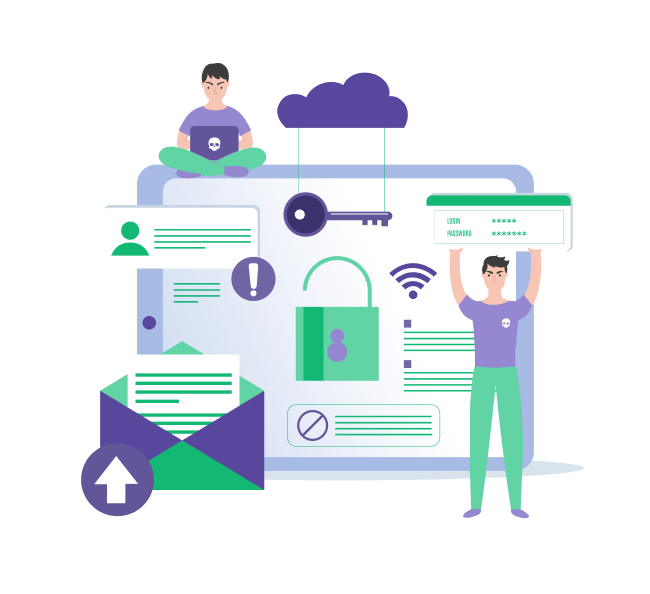
This is where AI gateways secure model deployment and become essential rather than optional. In order to enforce access limits, log each request, and keep an agent from accessing systems or data outside of its designated scope, an AI gateway resides between the agent and the models or data it calls. In the absence of this barrier, an agent with extensive permissions and a faulty prompt might actually inflict harm by transmitting inaccurate information, carrying out unexpected actions, or disclosing private information.
Monitoring After Launch
Deployment isn’t the finish line. As usage patterns change over time, an agent’s dependability is maintained through ongoing monitoring that tracks what the agent is being requested to accomplish, where it fails, and where it is being utilized outside of its intended scope.
Conclusion
Building an AI agent that actually works in production takes more than a well-crafted prompt. It requires a well-defined plan, the appropriate combination of language and machine learning models, engineering teams that conduct thorough testing, and security controls that restrict the agent’s access and capabilities. Agent projects typically seem great in a demo but collapse in production when any one of these levels is skipped.
If you’re evaluating AI agent development services for your SaaS product, it’s worth asking a potential partner how they handle each of these layers, not just which model they plan to use. CS Soft Solutions India Pvt. Ltd. works with SaaS and enterprise teams across these stages, from initial strategy through secure, monitored deployment, helping businesses build agents that hold up under real usage rather than just in a pitch deck.
 Enterprise security standards